A Beginner's Guide to Ferry Travel with a Dog: UK Rules, Cabins and Kennels
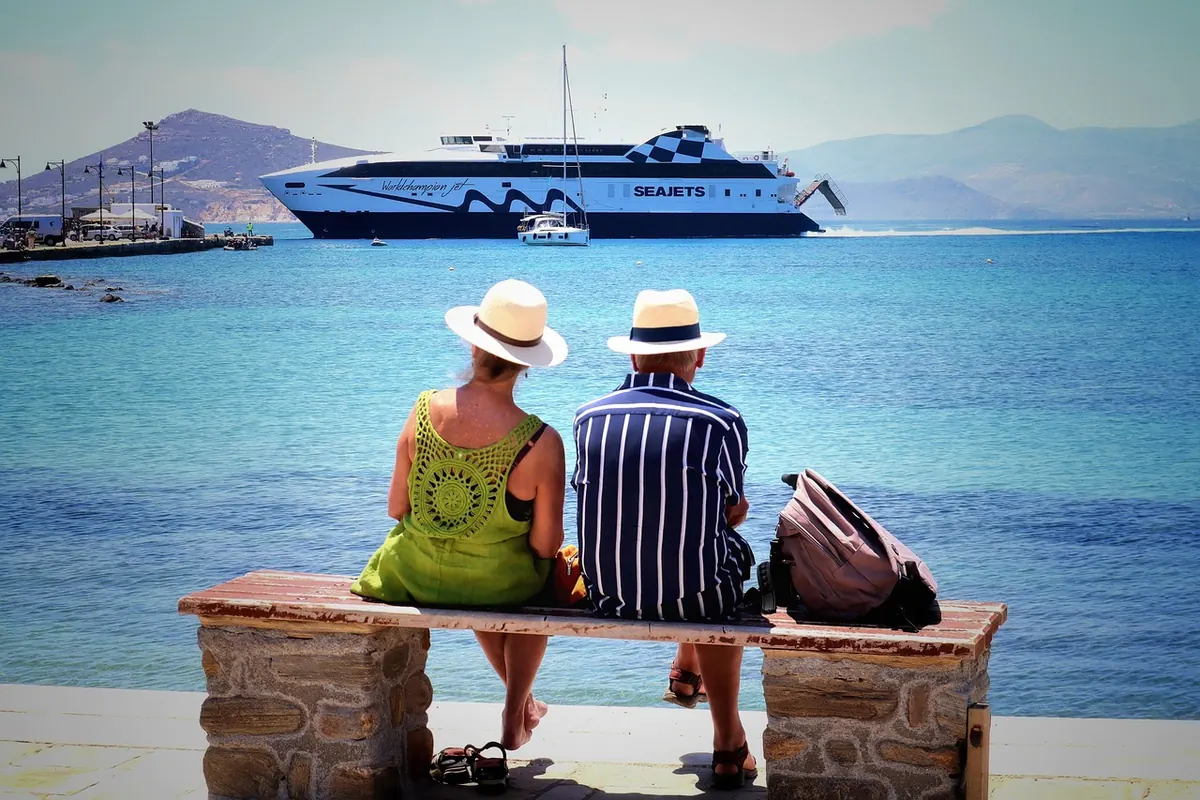
A dog on a ferry is rarely the difficult part. The trouble usually starts earlier — in the booking, in the paperwork, or at the moment you realise the sailing you wanted has no pet space left. The rules change depending on whether you're crossing the Solent, the Irish Sea or the Channel, and they change again on the way home. This is the order to tackle it in.
Not every operator takes dogs on every route, and some don't accept them at all as foot passengers. Where pets are welcome, the number of cabins and kennels is fixed and small — often only a handful per sailing. The crossing that suits your dates may be the one with nothing left.
Worth checking when you book:
If your first choice is full, try an overnight or early-morning sailing. Then confirm the booking rather than assuming it.
Your dog needs a microchip, a rabies vaccination given at least 21 days before travel, and either an EU-issued pet passport if you already hold one or an Animal Health Certificate. The certificate is issued by a vet, is valid for entry to the EU for ten days from the date of issue, and then covers onward travel within the EU for four months.
Book the vet appointment well ahead. Not every practice issues these certificates, and none of it can be sorted at the port.
Dogs must be microchipped, at least 15 weeks old and vaccinated against rabies. Coming back from most EU countries, a vet also has to give a tapeworm treatment between 24 and 120 hours before you arrive and record it. Ireland, Finland, Malta and Norway are exempt from that step. Check the current government guidance before you travel: it has changed more than once in recent years, and the operator will expect you to have read it.
Within the UK — Portsmouth to the Isle of Wight, Cairnryan to Belfast — pets travel under the operator's own rules rather than the pet travel scheme. Some ask for nothing at all; others want a vaccination record. Ireland applies EU rules, so British dogs need the passport or certificate plus a rabies vaccination. Northern Ireland sits under its own arrangements, so check requirements for both directions before booking. Your vet and the ferry company are the people to confirm the details with.
Where they exist, they are the best answer. The dog stays with you, the door shuts, and nobody spends the crossing fretting. They are also the first thing to sell out, so book the moment your dates are firm.
Common on longer routes. They are basic — a metal or plastic unit, sometimes on a vehicle deck, sometimes in a dedicated area. Crew usually can't walk or feed your dog, so settle them before you sail. A blanket from home and a clip-on water bowl make a real difference. If your dog is noise-sensitive, ask where the kennels sit; one beside a stairwell or engine space can be miserable.
Some crossings require pets to remain in the vehicle. Passengers normally can't stay on the vehicle deck while the ship is at sea, though a few operators run escorted visits at set times on long sailings. Ask before you board, leave water down, and don't treat an open window as a plan in summer.
Assistance dogs are the exception to most of this. They travel in passenger areas and are usually carried free, but tell the operator when you book.
Some dogs take a ferry in their stride. Others struggle with the engine noise, the movement and the smells. If yours has found travel hard before, or is elderly or has a heart or breathing condition, speak to your vet before you book rather than on the morning of sailing. They can advise on timing, feeding and whether the trip is sensible at all. Never give human medicine or leftover tablets.
If a kennel sounds like a poor fit, a pet cabin is worth paying for. If your dog travels best beside you and no cabin is available on that route, that is useful information to have before you commit.
Pet space first, paperwork second, packing list last. Confirm the route-specific rules with the operator and your vet, allow more time at the port than you would without a dog, and take something that smells of home. Do that, and the crossing tends to be the quiet part of the journey.
Photo: Tho-Ge / Pixabay
Previous Post
Ferry or Eurotunnel? A Family Road Trip Comparison for Crossing the Channel
Next Post
Last-Minute Ferries to Ireland: Common Booking Mistakes and How to Avoid Them